 EN · B1 · verb
be used to
Explore the meaning in context and practise the word or sentence.
No voice for this language is installed. Speech practice is still available.być przyzwyczajonym do
No voice for this language is installed. Speech practice is still available. być przyzwyczajonym do
Voice analyzer
Listen, repeat and see which words were recognized as expected.
be used to
Ready for your attempt
Start speaking — your text will appear here.
This preview may change. The score appears after the attempt ends.Checking recognition support…
Scores are saved only on this device. Audio is not stored.
Recognition may use the browser provider's servers and require internet. We use the default microphone.
This is agreement with recognized text. Missing words can be recognition errors; the score does not assess individual speech sounds.
How is the score calculated?
Exact words get full credit; similar words get partial credit. Missing, replaced and extra words lower the score. Excellent requires all words in the right order. The 60/80% thresholds are experimental.
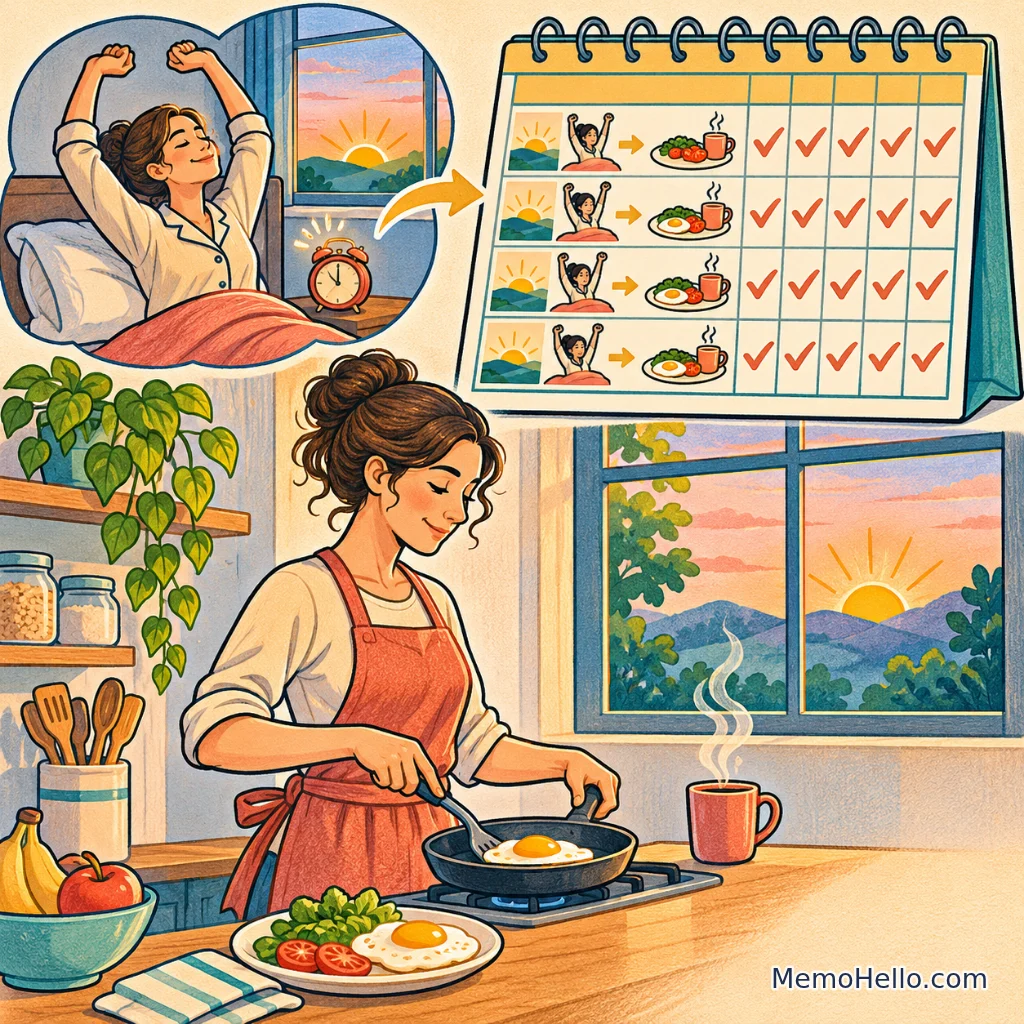
Dialogues in context
EN · B1- A
Is it hard to get up at five?
Nie jest ci trudno wstawać o piątej?
- B
I'm used to getting up early.
Jestem przyzwyczajona do wczesnego wstawania.
- A
How long have you trained like that?
Od kiedy tak trenujesz?
- B
Since winter, when training moved to the morning.
Od zimy, kiedy przeniesiono treningi na rano.
No voice for this language is installed. Speech practice is still available.
- A
She's used to getting up early.
Jest przyzwyczajona do wczesnego wstawania.
- B
That is why she always prepares breakfast first.
Dlatego zawsze pierwsza przygotowuje śniadanie.
- A
And we can wash the dishes afterwards.
A my możemy potem zmyć naczynia.
- B
That is a good arrangement for the rest of the trip.
To dobry podział na resztę wyjazdu.
No voice for this language is installed. Speech practice is still available.
Translations
 German
 Spanish
 Russian
Examples of use
Jest przyzwyczajona do wczesnego wstawania.
No voice for this language is installed. Speech practice is still available.She's used to getting up early.
No voice for this language is installed. Speech practice is still available.Sie ist daran gewöhnt, früh aufzustehen.
No voice for this language is installed. Speech practice is still available.Está acostumbrada a levantarse temprano.
No voice for this language is installed. Speech practice is still available.Она привыкла рано вставать.
No voice for this language is installed. Speech practice is still available.Grammar
verb
- Dictionary form
- be used to
Present
| I | am used to |
|---|---|
| you | are used to |
| he / she / it | is used to |
| we | are used to |
| you (plural) | are used to |
| they | are used to |
Past
| I | was used to |
|---|---|
| you | were used to |
| he / she / it | was used to |
| we | were used to |
| you (plural) | were used to |
| they | were used to |
Future
| I | will be used to |
|---|---|
| you | will be used to |
| he / she / it | will be used to |
| we | will be used to |
| you (plural) | will be used to |
| they | will be used to |
- Present Simple, Past Simple and future with will. These tables show statements.
Example
She's used to getting up early.
Related concepts
interesować się
B1No voice for this language is installed. Speech practice is still available.być dobrym w
B1No voice for this language is installed. Speech practice is still available.być odpowiedzialnym za
B1No voice for this language is installed. Speech practice is still available.zaprzyjaźnić się
B1No voice for this language is installed. Speech practice is still available.spełniać się
B1No voice for this language is installed. Speech practice is still available.Related phrases
Czy mogę umówić wizytę na inny dzień?
B1No voice for this language is installed. Speech practice is still available.Na twoim miejscu wybrałbym tańszą opcję.
B1No voice for this language is installed. Speech practice is still available.Wolę wyjść wcześniej, żeby się nie spóźnić.
B1No voice for this language is installed. Speech practice is still available.Czy możesz odebrać dzieci ze szkoły, jeśli skończysz wcześniej?
B1No voice for this language is installed. Speech practice is still available.Zgłosiłem usterkę tydzień temu, ale nikt jeszcze nie przyszedł.
B1No voice for this language is installed. Speech practice is still available.Podzielmy obowiązki tak, żeby każdy miał czas na odpoczynek.
B1No voice for this language is installed. Speech practice is still available.