 EN · C2 · verb
preserve the semantic ambiguity
Explore the meaning in context and practise the word or sentence.
No voice for this language is installed. Speech practice is still available.zachowywać niejednoznaczność semantyczną
No voice for this language is installed. Speech practice is still available. zachowywać niejednoznaczność semantyczną
Voice analyzer
Listen, repeat and see which words were recognized as expected.
preserve the semantic ambiguity
Ready for your attempt
Start speaking — your text will appear here.
This preview may change. The score appears after the attempt ends.Checking recognition support…
Scores are saved only on this device. Audio is not stored.
Recognition may use the browser provider's servers and require internet. We use the default microphone.
This is agreement with recognized text. Missing words can be recognition errors; the score does not assess individual speech sounds.
How is the score calculated?
Exact words get full credit; similar words get partial credit. Missing, replaced and extra words lower the score. Excellent requires all words in the right order. The 60/80% thresholds are experimental.
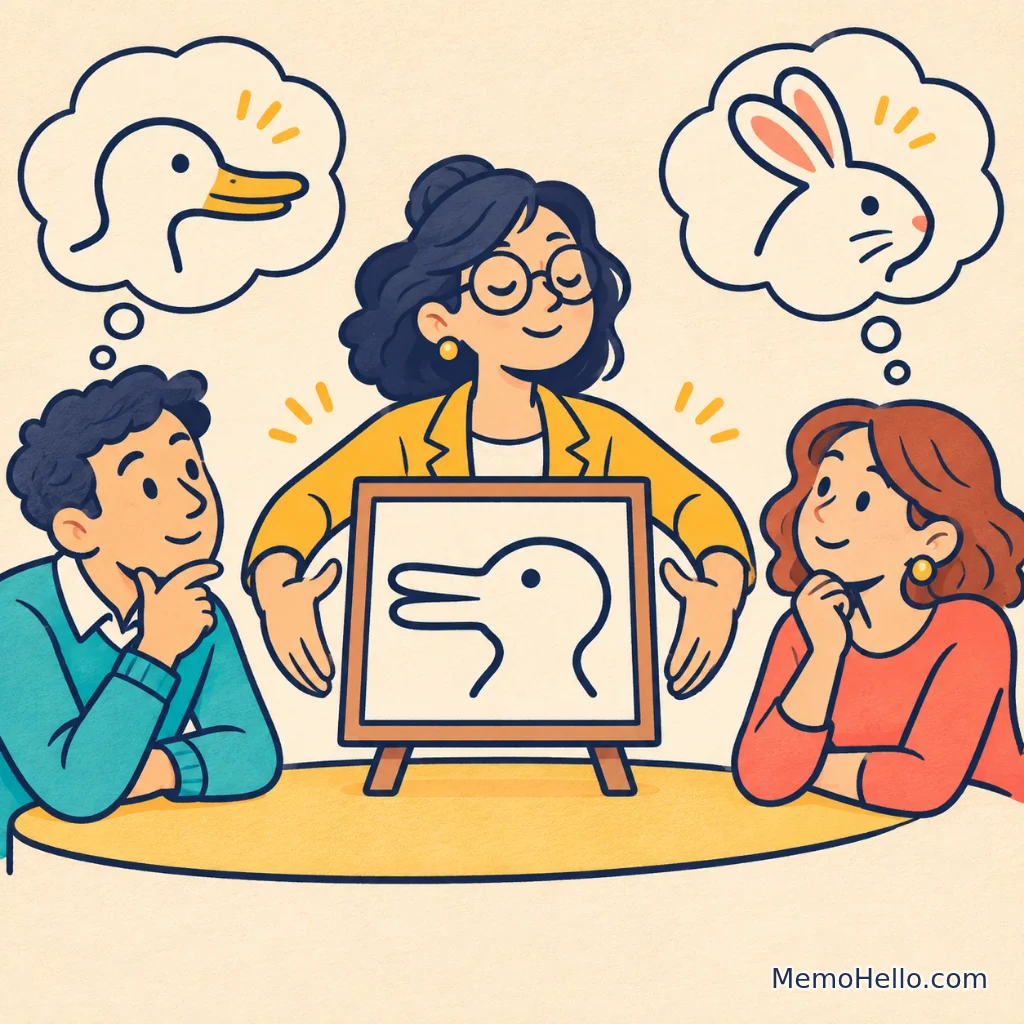
Dialogues in context
EN · C2Two readings of a title
- A
The title can be read as a promise or a threat.
Tytuł można odczytać jako obietnicę albo groźbę.
- B
Could that choice preserve the semantic ambiguity?
Czy takie rozwiązanie może zachowywać niejednoznaczność semantyczną?
- A
That depends on how the reader interprets the whole passage.
To zależy od tego, jak odbiorca odczyta cały fragment.
- B
Let’s compare both readings with the final scene.
Zestawmy oba odczytania z ostatnią sceną.
No voice for this language is installed. Speech practice is still available.
Translations
 German
 Spanish
 Russian
Examples of use
Na spotkaniu redakcyjnym jeden sporny czasownik wystarczył, by zespół musiał zachowywać niejednoznaczność semantyczną z perspektywy czytelnika.
No voice for this language is installed. Speech practice is still available.At the editorial meeting, one disputed verb was enough to make the team preserve the semantic ambiguity from the reader's perspective.
No voice for this language is installed. Speech practice is still available.In der Redaktionssitzung genügte ein umstrittenes Verb, damit das Team aus der Perspektive der Leser die semantische Mehrdeutigkeit bewahren musste.
No voice for this language is installed. Speech practice is still available.En la reunión editorial, un solo verbo controvertido bastó para que el equipo tuviera que preservar la ambigüedad semántica desde la perspectiva del lector.
No voice for this language is installed. Speech practice is still available.На редакционном совещании одного спорного глагола оказалось достаточно, чтобы команде пришлось сохранять семантическую неоднозначность с точки зрения читателя.
No voice for this language is installed. Speech practice is still available.Grammar
verb
- Dictionary form
- preserve the semantic ambiguity
Present
| I | preserve the semantic ambiguity |
|---|---|
| you | preserve the semantic ambiguity |
| he / she / it | preserves the semantic ambiguity |
| we | preserve the semantic ambiguity |
| you (plural) | preserve the semantic ambiguity |
| they | preserve the semantic ambiguity |
Past
| I | preserved the semantic ambiguity |
|---|---|
| you | preserved the semantic ambiguity |
| he / she / it | preserved the semantic ambiguity |
| we | preserved the semantic ambiguity |
| you (plural) | preserved the semantic ambiguity |
| they | preserved the semantic ambiguity |
Future
| I | will preserve the semantic ambiguity |
|---|---|
| you | will preserve the semantic ambiguity |
| he / she / it | will preserve the semantic ambiguity |
| we | will preserve the semantic ambiguity |
| you (plural) | will preserve the semantic ambiguity |
| they | will preserve the semantic ambiguity |
- Present Simple, Past Simple and future with will. These tables show statements.
- The table conjugates the main verb in the context of the whole expression. Nouns, adjectives and dependent infinitives inside it are not separate headwords.
Example
At the editorial meeting, one disputed verb was enough to make the team preserve the semantic ambiguity from the reader's perspective.
Related concepts
kodować niejednoznaczność semantyczną
C2No voice for this language is installed. Speech practice is still available.kodować znaczenie implikowane
C2No voice for this language is installed. Speech practice is still available.kodować rejestr stylistyczny
C2No voice for this language is installed. Speech practice is still available.kodować postawę autora
C2No voice for this language is installed. Speech practice is still available.kodować aluzję literacką
C2No voice for this language is installed. Speech practice is still available.kodować ukrytą presupozycję
C2No voice for this language is installed. Speech practice is still available.Related phrases
Nie tyle podważam sam wniosek, ile sposób, w jaki został wyprowadzony.
C2No voice for this language is installed. Speech practice is still available.Nie bez racji wskazujesz na ryzyko, choć nie przesądza ono o niewykonalności przedsięwzięcia.
C2No voice for this language is installed. Speech practice is still available.Przyjmijmy na chwilę tę przesłankę, nie przesądzając jeszcze o jej trafności.
C2No voice for this language is installed. Speech practice is still available.Pozwolę sobie odwrócić pytanie: co musiałoby się wydarzyć, abyś zmienił zdanie?
C2No voice for this language is installed. Speech practice is still available.Zastrzeżenie to nie przekreśla propozycji, lecz wyznacza warunki jej akceptacji.
C2No voice for this language is installed. Speech practice is still available.To rozróżnienie może wydawać się akademickie, lecz ma wymierne konsekwencje praktyczne.
C2No voice for this language is installed. Speech practice is still available.