 EN · C2
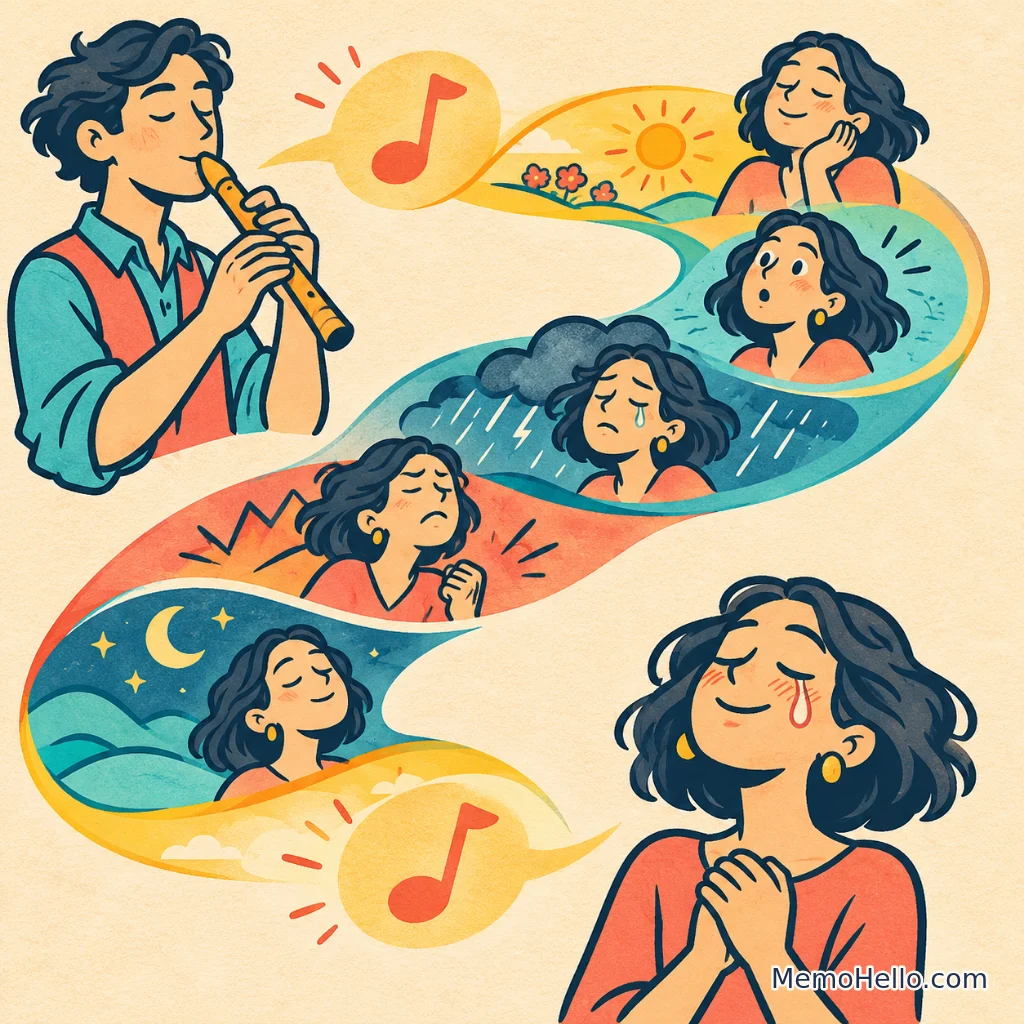
Repeating the same melody at the end of a piece need not mean returning to the starting point; the intervening changes may give it a wholly different meaning.
Learn a useful phrase in context, listen to its pronunciation and practise saying it.
No voice for this language is installed. Speech practice is still available.Powtórzenie tej samej melodii pod koniec utworu nie musi oznaczać powrotu do punktu wyjścia; wcześniejsze zmiany mogą nadać jej zupełnie inny sens.
No voice for this language is installed. Speech practice is still available. Powtórzenie tej samej melodii pod koniec utworu nie musi oznaczać powrotu do punktu wyjścia; wcześniejsze zmiany mogą nadać jej zupełnie inny sens.
Voice analyzer
Listen, repeat and see which words were recognized as expected.
Repeating the same melody at the end of a piece need not mean returning to the starting point; the intervening changes may give it a wholly different meaning.
Ready for your attempt
Start speaking — your text will appear here.
This preview may change. The score appears after the attempt ends.Checking recognition support…
Scores are saved only on this device. Audio is not stored.
Recognition may use the browser provider's servers and require internet. We use the default microphone.
This is agreement with recognized text. Missing words can be recognition errors; the score does not assess individual speech sounds.
How is the score calculated?
Exact words get full credit; similar words get partial credit. Missing, replaced and extra words lower the score. Excellent requires all words in the right order. The 60/80% thresholds are experimental.
Dialogues in context
EN · C2- A
The melody returns, so we are back at the beginning.
Ta melodia wraca, więc wracamy do początku.
- B
Repeating the same melody at the end of a piece need not mean returning to the starting point; the intervening changes may give it a wholly different meaning.
Powtórzenie tej samej melodii pod koniec utworu nie musi oznaczać powrotu do punktu wyjścia; wcześniejsze zmiany mogą nadać jej zupełnie inny sens.
- A
What do you suggest, then?
Co zatem proponujesz?
- B
Let’s compare its context and earlier transformations.
Porównajmy jej otoczenie i wcześniejsze przekształcenia.
No voice for this language is installed. Speech practice is still available.
- A
How shall we compare the different perspectives in this conversation?
Jak porównamy różne perspektywy tej rozmowy?
- B
Repeating the same melody at the end of a piece need not mean returning to the starting point; the intervening changes may give it a wholly different meaning.
Powtórzenie tej samej melodii pod koniec utworu nie musi oznaczać powrotu do punktu wyjścia; wcześniejsze zmiany mogą nadać jej zupełnie inny sens.
- A
How will you clarify that to avoid a misunderstanding?
Jak doprecyzujesz to, żeby uniknąć nieporozumienia?
- B
I’ll point to a specific detail and ask how the other person understands it.
Wskażę konkretny szczegół i zapytam, jak rozumie go druga strona.
No voice for this language is installed. Speech practice is still available.
Translations
 German
 Spanish
 Russian
Examples of use
Interpretacja powracającego motywu muzycznego.
No voice for this language is installed. Speech practice is still available.Interpreting a returning musical motif.
No voice for this language is installed. Speech practice is still available.Ein wiederkehrendes musikalisches Motiv interpretieren.
No voice for this language is installed. Speech practice is still available.Interpretar un motivo musical que reaparece.
No voice for this language is installed. Speech practice is still available.Интерпретация возвращающегося музыкального мотива.
No voice for this language is installed. Speech practice is still available.Related phrases
Niejednoznaczność zakończenia nie jest niedopowiedzeniem przypadkowym, lecz świadomym zabiegiem.
C2No voice for this language is installed. Speech practice is still available.Siła tej sceny tkwi raczej w tym, co przemilczane, niż w tym, co wypowiedziane.
C2No voice for this language is installed. Speech practice is still available.Narrator nie tyle zataja fakty, ile tak je porządkuje, by narzucić nam określoną perspektywę.
C2No voice for this language is installed. Speech practice is still available.Ta pozorna lekkość tonu sprawia, że krytyka wybrzmiewa jeszcze dotkliwiej.
C2No voice for this language is installed. Speech practice is still available.Niedopowiedzenie dotyczące motywów bohatera pozwala utrzymać dwie sprzeczne interpretacje bez rozstrzygania, która jest właściwa.
C2No voice for this language is installed. Speech practice is still available.Zmiana punktu widzenia nie unieważnia poprzedniej sceny, lecz ujawnia, jak wiele jej znaczenia wynikało z ograniczonej perspektywy obserwatora.
C2No voice for this language is installed. Speech practice is still available.